

Duke University – Nasher Museum of Art Humidification System Upgrade
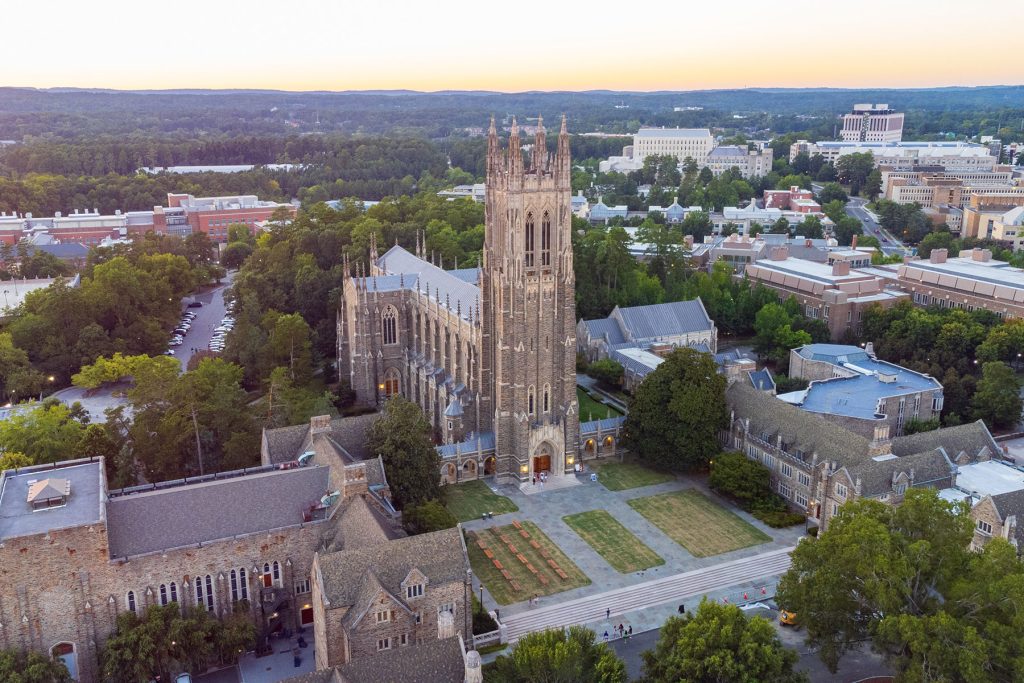
Built in 2005, the Nasher Museum of Art at Duke University is a major center for the arts in Durham. In 2015, the museum was removed from plant steam, heating hot water and domestic hot water were upgraded to natural gas-fired equipment, and the humidification system was retrofitted with electric steam boilers. The boilers generate low-pressure steam, which in turn feeds four steam-to-steam humidification steam generators within the mechanical room.
Duke engaged Precis for evaluation of options and design and implementation of a new humidification system to upgrade the aging humidification system. The design solution demolished the existing steam boilers and support infrastructure and replaced the steam-to-steam generators with new electric steam generators. Design for the new base building system provides 700 pounds per hour of humidification with all new controls. The new system ensures relative humidity setpoints remain consistent for the preservation of artwork and artifacts contained in the museum.
Elon University – North Loop Chilled Water Expansion
Elon University serves 7,000 students from a historic, 690-acre campus in central North Carolina. The university wanted to connect three independent chilled water systems that serve the Global Neighborhood, Mosely Center/Lakeside Dining Hall, and Inman Admission Building into one common system – the North Loop. The chilled water systems serving the Center for the Arts and Koury Athletic Center are planned to be incorporated into the North Loop in a future phase of work.
Precis was engaged to design an integrated chilled water system to enhance the flexibility of each building’s cooling systems by establishing a common loop to which each building can reject heat. The solution affords Elon ability to shut down power to a building or streamline maintenance to a chiller or tower without sacrificing cooling to the respective building. The combined system will decrease overall energy consumption by efficiently staging chillers on and off, adjusting pumping power, and resetting condenser water setpoints to meet demand.
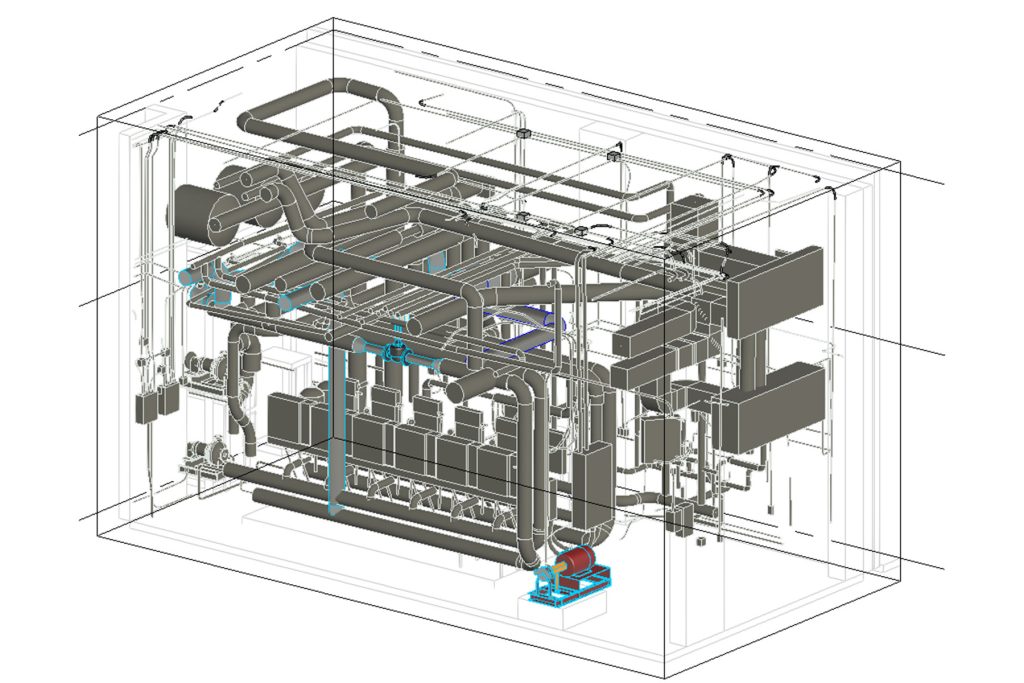
Precis completed a laser scan of one of the more congested mechanical rooms to develop a 3D point cloud model and CAD files that capture existing conditions for clash detection and accuracy. Precis also designed the integration of new controls instrumentation with existing control systems for communication with a single front end. The design solution optimizes the central chilled water system to reduce energy consumption, improve flexibility, and increase redundancy. Phase 1 construction begins in 2025.
Penn State – Beaver Stadium Maintenance Evaluation + Renovations
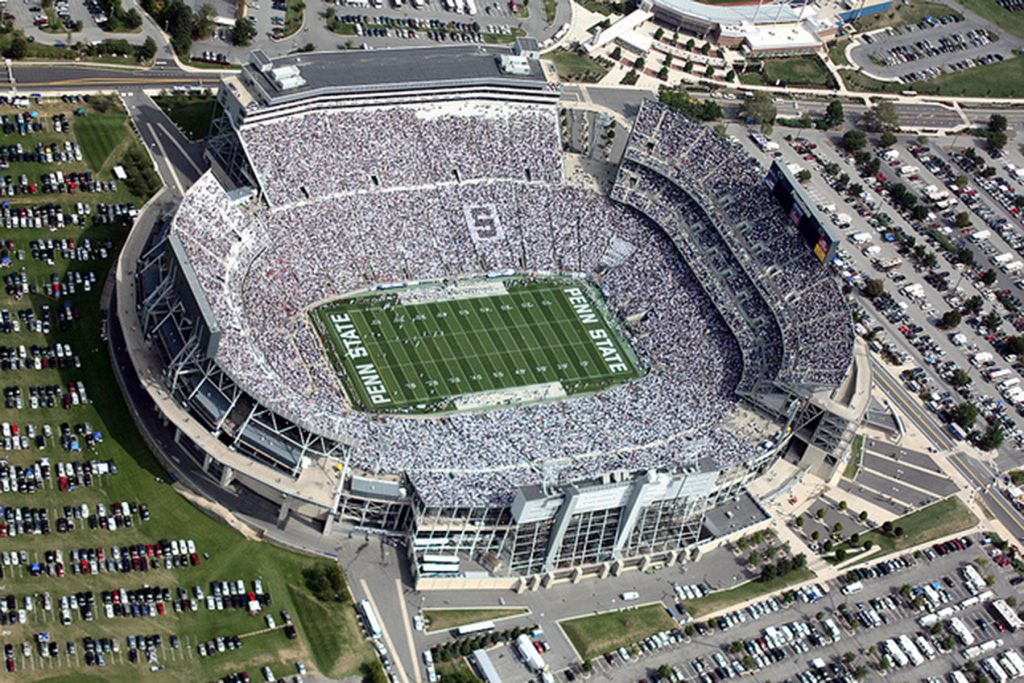
Precis worked with Stahl Sheaffer Engineering, LLC to perform a comprehensive maintenance evaluation on existing mechanical, plumbing, fire protection, and electrical systems within Penn State’s Beaver Stadium, the second-largest stadium in the nation. The purpose of this evaluation was to assist Penn State in planning, prioritizing, and budgeting for ongoing maintenance activities and replacement of major equipment and systems.
Precis inventoried and assessed the HVAC units, chillers, and unit heaters; steam and condensate systems, including pumps, valves, fittings, and hangers; supply and exhaust fans associated with the scoreboards; plumbing and sanitary systems, including fixtures, piping, pumps, valves, and hangers; electrical service feeding the A/V systems, light fixtures, emergency lighting, and branch circuits feeding the field lighting; water heaters; gas service distribution and units; electrical panels; compressors; walk-in coolers and refrigeration equipment; hard-plumbed icemakers in the suits and foodservice areas; fire alarm system; lightning protection system; and fire suppression and standpipe systems, including fire pumps, backflow preventers, kitchen hood suppression, and clean agent systems.
The Precis scope of work included performing detailed external visual inspections of each of the systems, discussing the systems with on-site personnel, and reviewing existing record drawings. Precis prepared a narrative for each of the systems, documenting the findings of the assessment including recommendations for maintenance, repair, or replacement.
Following the maintenance evaluation, Precis remains engaged for architectural and engineering design support to implement various maintenance activities, energy studies, and improvement projects. Projects have included a comprehensive natural gas distribution system survey, as-built documentation, capacity analysis, and service upgrade; a comprehensive unit heater energy study, replacements, and upgrades; comprehensive stadium winterization; chilled water system replacement and upgrade; various restroom, concession stand, and kitchen renovations; central domestic water booster pump replacement and upgrade; and replacement of domestic water and sprinkler piping distribution systems.
Princeton University – Steam to Hot Water Conversion Group 3
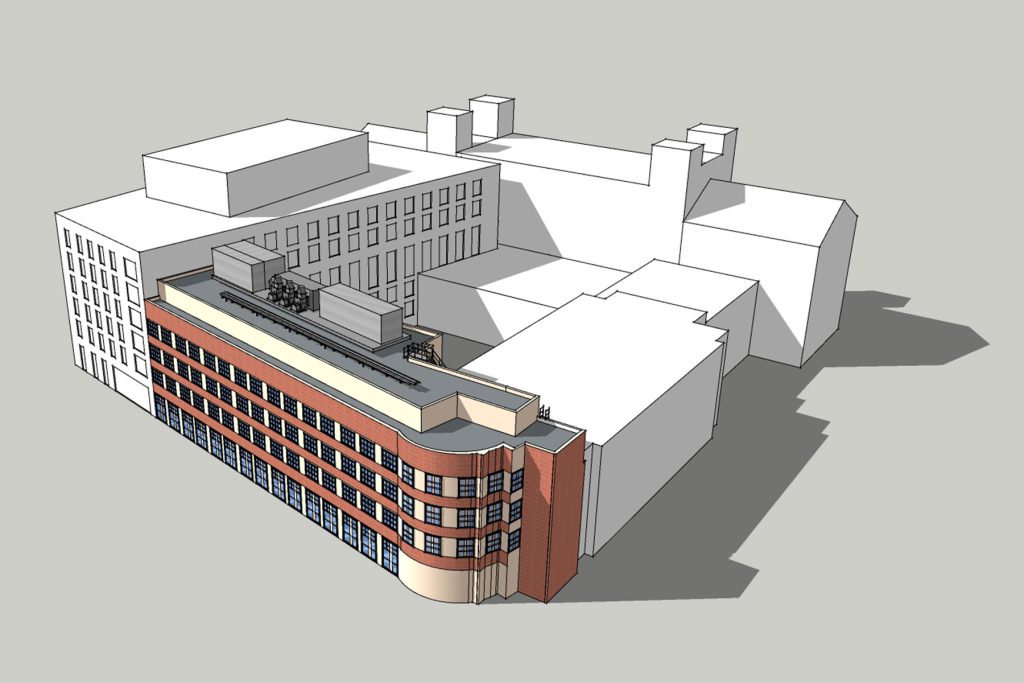
Princeton University tasked Precis with the sizing and specification of systems required to convert existing steam heating and humidification systems to work with new campus low-temperature hot water distribution for the Shultz and Moffett Laboratory buildings and the Scully Hall dormitory. Precis worked with Princeton’s construction management partner under a design-build contract to generate conceptual designs, including architectural renderings and shadow analysis, and cost estimates for various rooftop and mechanical penthouse air-handling and heat-transfer system configurations and options that would accommodate construction phasing, future system expansion, redundancy, architectural screening, and maintenance access requirements.
The new systems include heat exchangers for low-temperature heating hot water and domestic hot water along with associated pumps, coil replacements, valence unit replacements, piping distribution, controls, and modifications to the existing steam systems. The design also required coordination of the project scope with a number of other ongoing projects in the Schultz and Moffett Laboratory buildings, including enabling work for the new Schmidt Hall building, an emergency/standby generator, and associated power system upgrade.
Temple University – Engineering Services

Precis was tasked with several air-handling unit (AHU) upgrades across the Temple University campus in Philadelphia, Pennsylvania.
In Mitten Hall, Precis designed the replacement of two individual air-handling units (AHU-4 and AHU-5) with a semi-custom 10,000-CFM AHU located in an existing first-floor mechanical room with a new modular indoor central station air handler with direct digital controls (DDC). The Siemens Building Automation System (BAS) serving the area was upgraded to full BACnet compliance. New ductwork was provided within the mechanical room and transitioned up to the newly installed air distribution system. The unused and abandoned mechanical and electrical equipment was removed and a new caged area, in place of AHU-5, was provided to contain custodial equipment, supplies, and a new utility sink.
In the New Dental School, Precis designed the replacement of a single air-handling unit (AHU-1) with a roof-mounted, custom outdoor central AHU with approximately 160K cubic feet/minute (CFM) per deck and service corridors. The new AHU includes glycol preheat coils fully capable of supporting the load without energy recovery. A steam-to-glycol heating package was designed, with the glycol used for any unit heaters within the air handler. The scope included new DDC HVAC controls and integration into the existing facility management system (IFMS).
In Gladfelter Hall, 10 individual air-conditioning (AC) units serving the second through 11th floors were replaced with a single rooftop-mounted AHU in the previous location of the cooling towers. It contained a custom 100K CFM outdoor central station AHU with service corridors. The mechanical rooms containing the AC units function as ductwork and pipe chases to serve the core areas of those floors.
Emory University and Georgia Tech – Shared Library Service Center

Emory University and the Georgia Institute of Technology (Georgia Tech) constructed a shared high-density storage facility for circulating and special collections material. The 55,000-sf, climate-controlled Library Service Center (LSC) was developed to create a unified collection of materials available to faculty, staff, and students at both Atlanta institutions.
Precis performed mechanical, electrical, plumbing, and fire protection (MEP/FP) engineering on the project in two distinct phases, including an MEP/FP basis of design (BOD) and final detailed design followed by construction administration. Special design considerations included tight control of low temperature and humidity conditions to maximize the preservation index of the archival storage facility. Precis was selected for the project due to its proven track record of successful projects involving critical environments.
University of Delaware – Emergency + Critical Power Upgrades
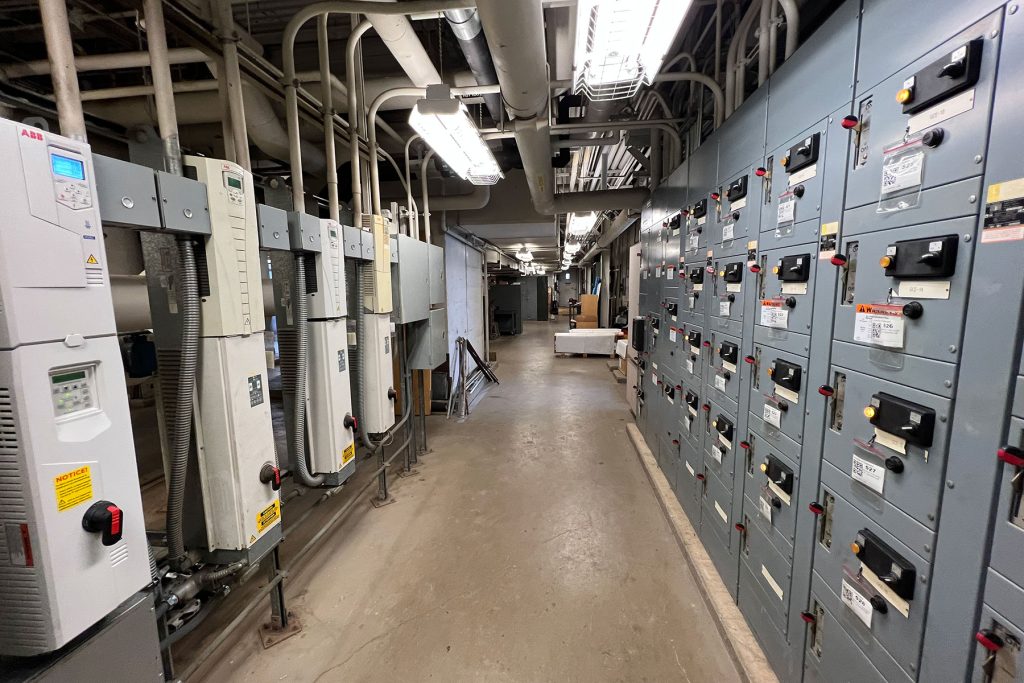
Home to over 24,000 students, the University of Delaware tasked Precis with engineering design for the installation of three new gas/diesel generators necessary to support life safety and optional standby loads. Precis designed additional electrical infrastructure improvements, consisting of distribution and branch circuit panels and associated automatic transfer switches (ATS). The new generators were installed to serve three different buildings, with each located adjacent to its respective building.
University of Pennsylvania – Cleanroom Core Expansion

Precis provided architecture and mechanical, electrical, plumbing, and fire protection engineering services to support expansion of the cleanroom core at the University of Pennsylvania’s Singh Center for Nanotechnology in Philadelphia, Pa. The Singh Center provides an environment for nanoscale research, development, and collaboration, supporting programs at the University of Pennsylvania and through partner institutions and industry in the Mid-Atlantic region.
Designed to enhance the functionality of the Singh Center’s ISO 5/6 production core, the project scope included adding a new nanofabrication cleanroom and retrofitting the existing soft lithography space. The Precis approach was highly specialized and tailored to the client’s unique operations while striving to minimize impact to ongoing processes in the existing nanofabrication core. To achieve this, panelized cleanroom wall and ceiling modules were incorporated with finishes appropriate for nanofabrication operations. Precis also provided the necessary utilities for specialized equipment including scanning electron microscopes, dual beam nanopatterning devices, solvent wet benches, and soft lithography operations.
Villanova University – Steam Line Replacement
The country’s only Augustine Catholic university, Villanova University educates nearly 10,000 students from its campus outside Philadelphia. Villanova engaged Precis for engineering design to replace aging underground low-pressure steam and condensate piping distribution from Alumni Hall to St. Thomas Church, St. Rita’s Hall, and Austin Hall, including detail of connection points within each building. The design process included coordination with the piping vendor for pre-purchase of piping materials in preparation for replacement during the summer between semesters.
Penn State – Beaver Stadium East Suites Renovation
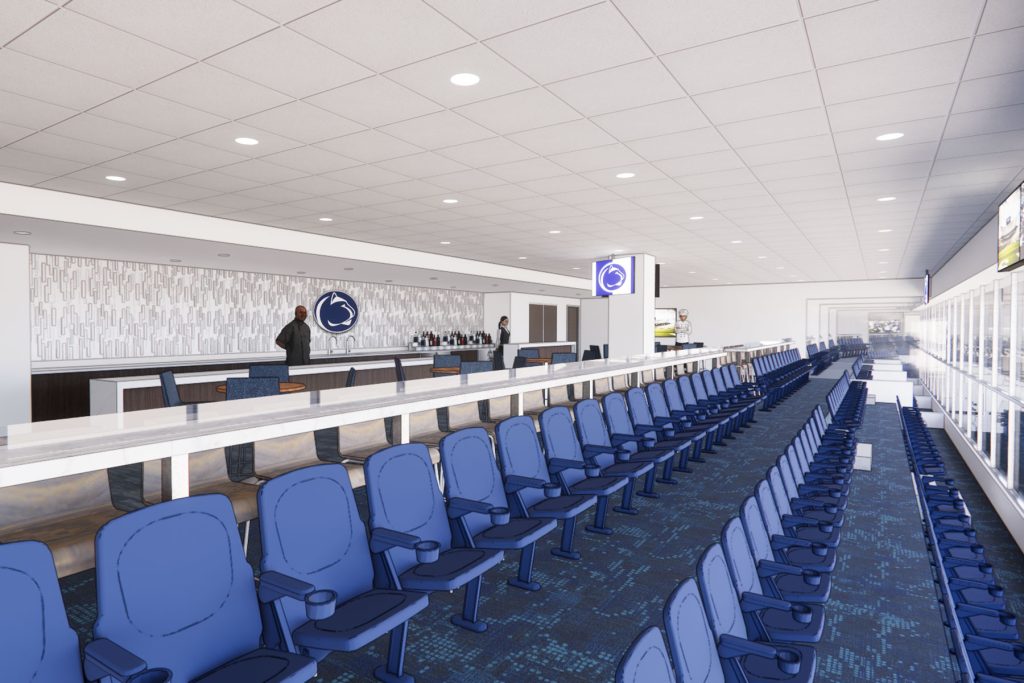
Precis designed renovations to the existing third-floor VIP suites on the upper east side of Beaver Stadium, the nation’s second-largest stadium. Following demolition of the west side press, operations, and production suites, some of the existing VIP suites on the east side were converted into new homes for these critical game-day operations. Design of the new operations suites and upgraded VIP suites involved an integration of new furniture systems that were coordinated with the data and power services requirements transferring from the west side. The new suites also included upgraded finishes and technology.
This project involved careful coordination with multiple users’ needs as well as achieving the future goals of the university, intercollegiate athletics (ICA), and football operations. The Precis Engineering + Architecture team collaborated with the university’s operations, broadcast, and technology groups; the BIG 10 networks; the Penn State Division 1 football program’s coaching needs; and various other programs and users that will occupy the East Suites.